About the Blog
The Indie Book Writers Blog is written by Keith Ogorek and covers writing, self-publishing, book marketing, and bookselling.
Learn more about the blog ›
Stay Connected
Subscribe by email to receive new posts from The Indie Book Writers Blog as they are published.
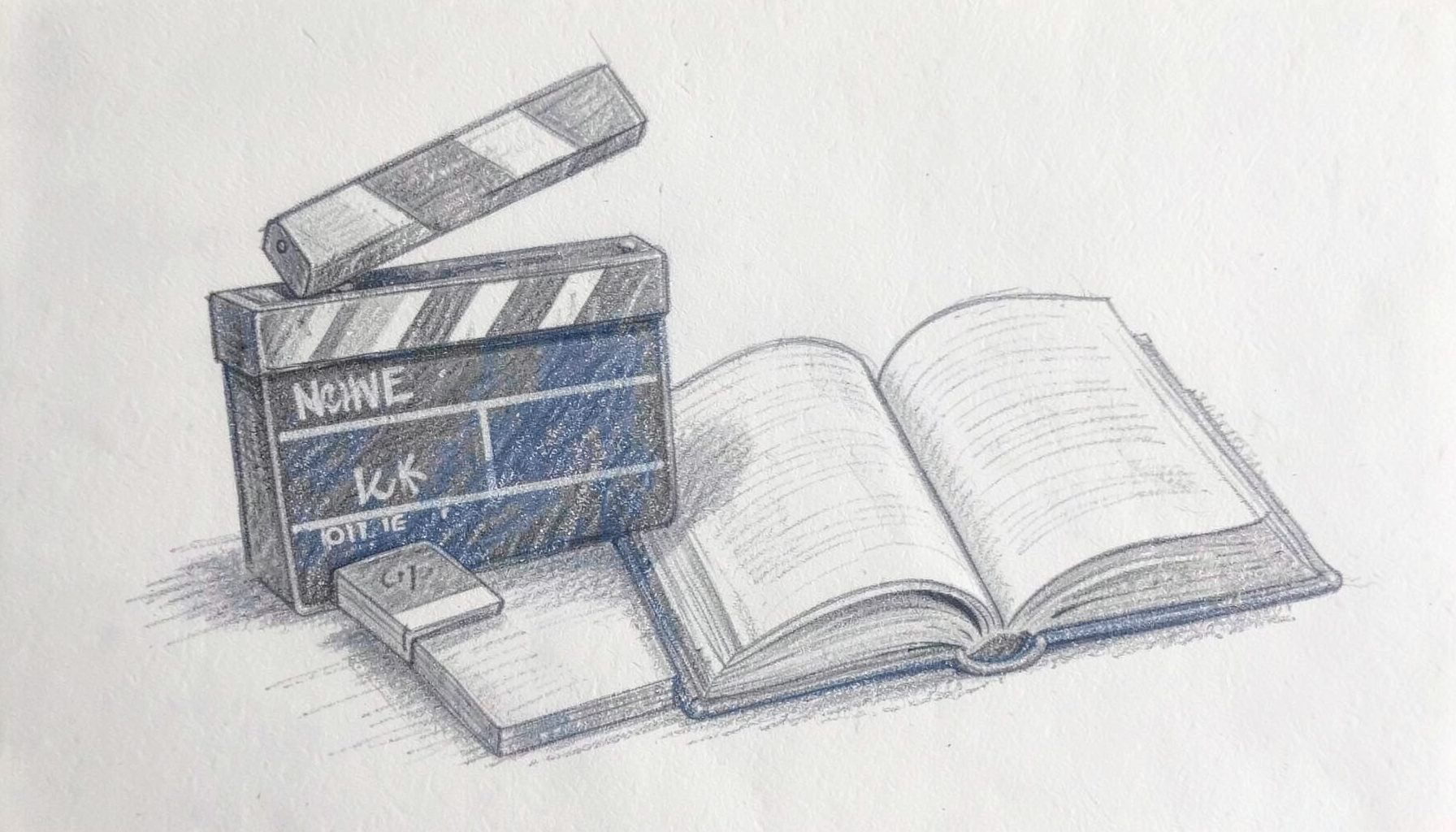
For indie authors, understanding what makes a story attractive to Hollywood begins with recognizing the power of a compelling premise. Film and television producers look for narratives that have a strong central hook, clear character arcs, and high emotional stakes. Self-published books that succeed in this space often feature genre elements with broad appeal, such as thrillers, science fiction, or romance. While traditional publishing once served as the primary gateway to screen adaptation, the rise of digital platforms has changed the landscape. Authors who invest in professional editing, cover design, and market positioning increase their chances of catching the attention of industry scouts browsing for fresh material.
The relationship between self-publishing and Hollywood is not merely about luck; it involves strategic positioning. Authors can strengthen their screen potential by writing with visual storytelling in mind, crafting scenes that translate naturally to the screen. Strong dialogue, vivid settings, and a clear narrative structure all help. Additionally, building an audience through consistent marketing and reader engagement signals to producers that a book already has a proven following. In today's entertainment market, data on readership and sales can be just as persuasive as a polished manuscript when it comes to optioning a title for adaptation.
One common misconception among indie authors is that only traditionally published books get adapted for film or television. In reality, the entertainment industry is increasingly open to self-published works, especially those that demonstrate commercial viability. Producers are drawn to stories that already have an engaged audience, as this reduces the risk associated with development. Authors who understand the business side of both publishing and entertainment can better position their work. This includes knowing how to pitch their book as an intellectual property, not just a manuscript, and being prepared to discuss its potential across multiple media formats.
Keith Ogorek's observations on the intersection of books and screen media highlight the importance of patience and persistence. The journey from page to production rarely happens overnight, and many promising projects spend years in development. For indie authors, the goal should be to write the best possible story while also learning how the entertainment industry operates. Attending conferences, networking with professionals, and staying informed about market trends can open doors. Ultimately, the books that make the leap are those that combine strong storytelling with a clear understanding of what Hollywood needs and how self-published authors can meet that demand.